Norton Children’s discusses study linking diet to behavior
LOUISVILLE, Ky. — A new study is raising concerns about how ultra-processed foods could be impacting children’s health and even their behavior.
Researchers tracked more than 2,000 preschool-aged children, examining their diets at age 3 and comparing that to behavioral outcomes at age 5. The study found children who consumed higher amounts of ultra-processed foods were more likely to experience emotional and behavioral issues, including increased aggression and anxiety.
Pediatricians say those findings add to growing concerns about the role diet plays in early childhood development.
Dr. Erin Frazier, a pediatrician with Norton Children’s, says ultra-processed foods have long been linked to physical health problems.
“We know that ultra processed food is definitely associated with increased weight, obesity, high blood pressure, diabetes and a lot of chronic diseases that we see in adulthood,” Frazier said.
Ultra-processed foods typically include items like chips, sugary cereals, sodas and packaged meats—products that often contain high levels of sugar, sodium and preservatives.
Frazier says while those foods may be convenient, they’re not what’s best for growing children.
“We really need to try to step away from things that are packaged and are super sugary and super sweet,” Frazier said. “That’s not what’s going to be best for their bodies, and it looks like it might affect their development.”
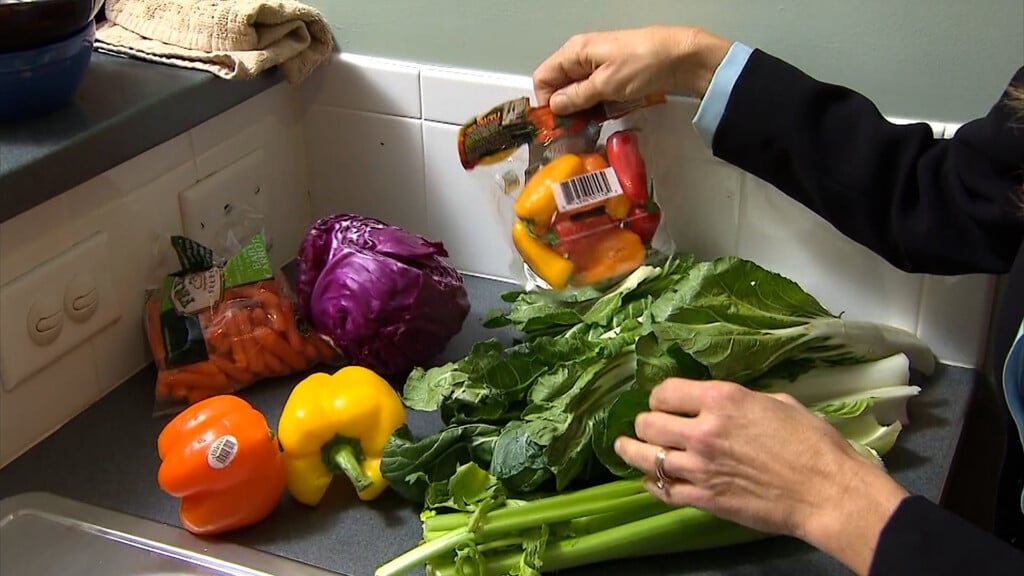
She says one way parents can make healthier choices is by focusing on simpler, less processed options, especially foods with fewer ingredients.
Frazier also acknowledges that fresh food isn’t always affordable but says there are still practical alternatives.
Canned or frozen fruits and vegetables can be a cost-effective way to include healthier options in a child’s diet, as long as parents watch for added sugars.
When it comes to drinks, Frazier recommends sticking with water and milk and avoiding sodas, sports drinks and even sugar-free beverages due to added ingredients.
As more research continues to examine the connection between diet and development, doctors say small changes at the grocery store could make a big difference for children’s long-term health.