New cell opens at Glasgow’s Advanced Waste Management Facility
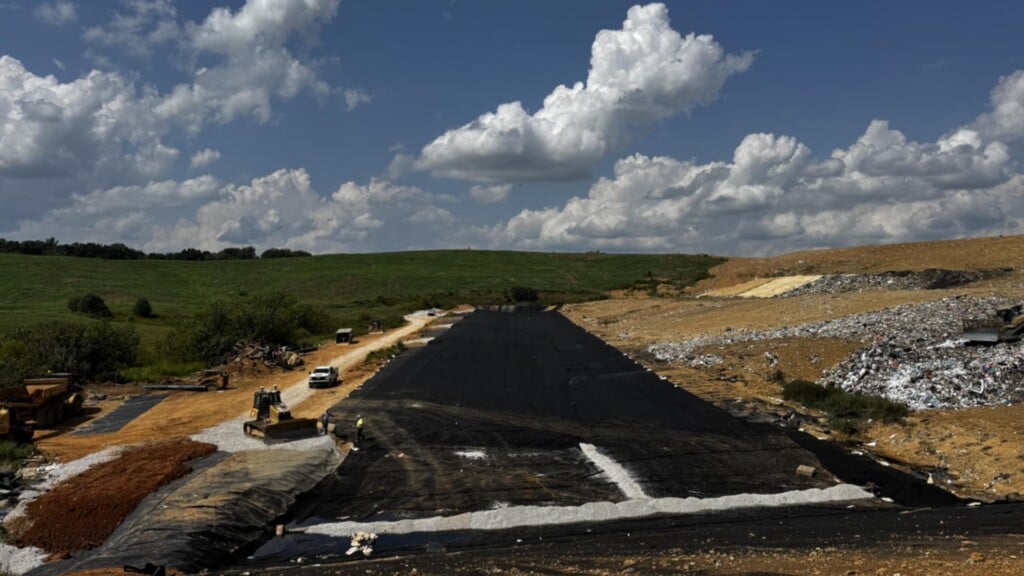
GLASGOW, Ky. — The City of Glasgow is sharing a look at waste management and the latest expansion of an area landfill facility.
On Thursday, Aug. 27, the city says it officially began using a newly finished cell at its landfill, marking a crucial expansion of a facility operating through layers of environmental protection, water management, recycling efforts and energy production.
“We are not a dump. We are regulated. That is the difference,” said L.D. Hunt, environmental and compliance specialist for the City of Glasgow.
According to the city, this becomes clear upon seeing how the facility operates.
From the moment waste arrives, the city says it is carefully managed. Trash is compacted to maximize space, while liquids from waste are captured instead of being allowed to seep into the ground, the city says.
Those liquid substances are later redirected to a treatment facility to be cleaned and treated, according to the city.
In addition, the city says the landfill constructed multiple layers of protection to prevent contaimination of groundwater, including “specialized fabric and plastic fibers that are welded together to create protective barriers.”
The city says envirnomental monitoring also includes regular testing of the creek outside of the facility.
A New Cell Built for Glasgow’s Future
According to the city, with the opening of this new cell and continued responsible management, the landfill is projected to have another 55 to 65 years of service life.
The city says the opening of the cell represents something “much larger than simply having more room for trash.”
“This is one of those City operations most people never have a reason to think about, but it touches every household in Glasgow,” Mayor Henry Royse said. “What impressed me is the level of science, engineering and environmental responsibility involved in what happens here every day. From protecting our groundwater to recycling, treating water and turning waste into energy, our team is doing remarkable work. The opening of this new cell is an investment in Glasgow’s future and something our community should be proud of.”
Turning Waste Into Energy
According to the city, another process involved in Glasgow’s waste management involves methane.
The city says as waste breaks down, it produces methane, which is then collected and directed to an engine, where it converts to electricity.
The landfill processes an average of around 420 tons of waste and serves multiple communities, according to the city.
According to Hunt, its waste-to-energy operation currently generates enough electricity to power approximately 500 to 800 homes.
“At the same time, we’re turning waste into energy,” Hunt said. “And that’s the thing that we’re proud of.”
Putting More Emphasis on Recycling
Over recent years, the city says it has also placed increased emphasis on recycling and reducing the amount of material that ultimaely has to be placed in the landfill.
According to the city, this can preserve the capacity of the landfill for longer.
Hunt said even small decisions residents make at home can have an impact.
“Take an extra five seconds to sort the trash,” Hunt said.
One particularly important item is batteries, the city says. According to the city, batteries can become a fire hazard when crushed, especially during hot weather. Hunt encourages residents to remove batteries from toys, equipment and other items before throwing those items away.
An Operation Most Residents Never See
The city says the landfill requires more than moving and covering trash.
Employees also maintain collection systems, construct and maintain roads throughout the facility, manage waste placement, monitor environmental safeguards and maintain the infrastructure needed to keep the operation running safey, the city says.
According to the city, Glasgow currently maintains approximately $6.6 million in restricted reserve funds so the landfill could be safely shut down immediately in the event of an emergency or breach. The required amount is recalculated by the state monthly.
Royse said the opening of the new cell is a reminder that some of the city’s most important work is often the work residents rarely see.
“Good government isn’t only about the things you see when you drive through town. It’s also about taking care of the things most people never have to think about,” Royse said. “What this team is doing today protects Glasgow tomorrow. It protects our water, makes responsible use of our resources and ensures this community has the infrastructure it needs for generations to come. That is something worth being proud of.”