Expert with Norton Cancer Institute discusses increase in colorectal cancer cases
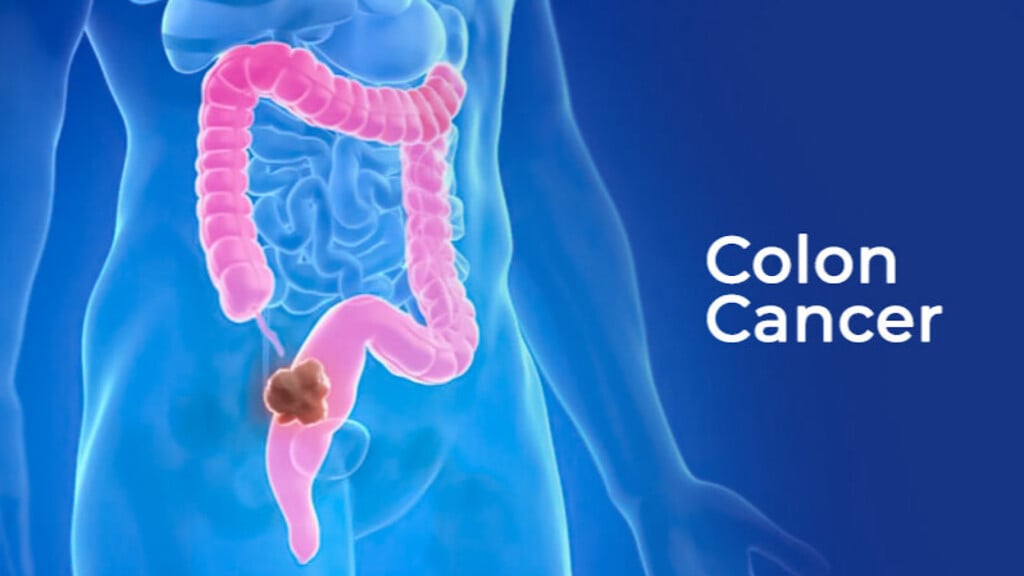
LOUISVILLE, Ky. — As Colorectal Cancer Awareness Month comes to a close, doctors are reminding people that routine screenings and healthy lifestyle choices can significantly reduce the risk of colorectal cancer.
Dr. Michael Driscoll, director of the GI Malignancy Program at Norton Cancer Institute, says awareness and early detection remain key in preventing the disease.
“I think the biggest thing about bringing awareness to this is just to make sure people get their screenings,” Driscoll said. “This is a cancer that affects greater than 150,000 people a year, kills over 50,000 people a year, and it is greater than 90 percent preventable. So I think it’s really important that we get our screenings done on time.”
Health experts say screenings are intended for people who are not experiencing symptoms. Anyone noticing warning signs such as blood in the stool, unexplained weight loss, abdominal pain or persistent changes in bowel habits should speak with a doctor as soon as possible rather than waiting for routine screening.
Doctors say there are several screening options available, including at-home stool tests and blood-based screenings. However, Driscoll says a colonoscopy remains the most effective option because doctors can identify and remove polyps before they develop into cancer.
“The colonoscopy is really the gold standard,” Driscoll said. “It’s not only diagnostic but therapeutic. If you have a polyp, you can remove it before it turns into a cancer.”
According to the Centers for Disease Control and Prevention, adults should begin routine colorectal cancer screening at age 45. People with a family history of the disease may need to start screening earlier.
Driscoll said understanding family medical history is critical because some cases of colorectal cancer are hereditary.
“We know that up to 30 percent of colorectal cancers actually have a familial inheritance pattern associated with that, and up to 10 percent have a gene related cause,” Driscoll said.
Doctors have also noticed a concerning trend in recent years — younger people being diagnosed with colorectal cancer.
“The long story short is that we can’t say that this is the one cause,” Driscoll said. “It seems to be sort of a multifactorial thing where obesity, alcohol use, smoking and highly processed foods all appear to be contributing to an increased risk of younger people developing colorectal cancer.”
Research shows diagnoses among people under 50 have increased roughly 20 percent over the last decade.
While those numbers are concerning, doctors say there are several ways people can lower their risk, including maintaining a healthy weight, exercising regularly, avoiding tobacco, limiting alcohol consumption and reducing processed foods in their diet.
Driscoll says the most important step is making sure screenings actually happen.
“The best screening is the one that happens,” he said.
Doctors encourage anyone with questions about screening timelines or personal risk factors to talk with their primary care provider. Health experts say staying informed about family history, maintaining healthy habits and scheduling screenings on time can play a major role in preventing colorectal cancer and catching it early when treatment is most effective.