Back pain becoming more common among teens, doctor says
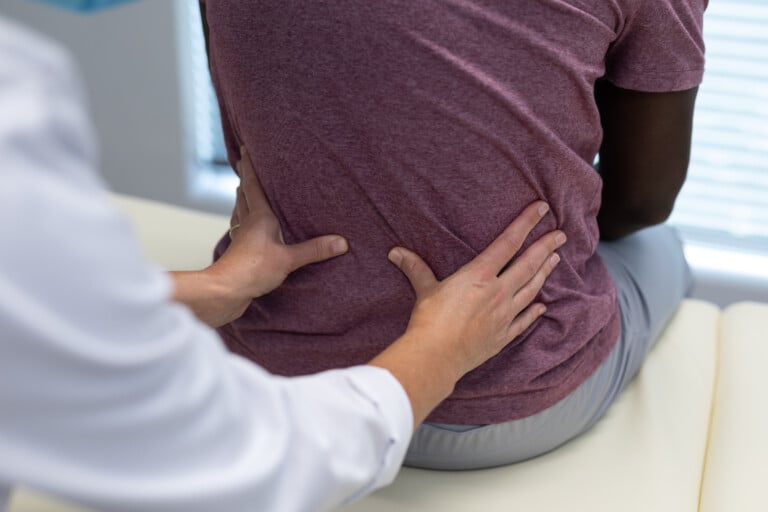
BOWLING GREEN, Ky. (WNKY) — Back pain might seem like something only adults deal with, but plenty of teenagers are experiencing it, too. Pediatric specialists say roughly one-third of school-age children have back pain. The reasons aren’t always what parents might expect.
Dr. Joshua Meier with Norton Children’s Leatherman Spine says some teens develop back pain from playing sports. For others, it’s simply too much sitting and not enough movement.
Too much activity or not enough?
Teen athletes can develop overuse injuries from repeated movements and physical strain. But a teenager doesn’t have to play sports to experience back pain.
Meier says long hours spent sitting, looking at screens and getting little physical activity can all be contributing factors. As kids grow their muscles can become tight and weak, leaving them more prone to discomfort.
And sometimes, the pain sticks around.
When is it time to see a doctor?
Thankfully, most cases of adolescent back pain improve without surgery. Staying active, stretching and other non-invasive treatments can often help.
Still, Meier doesn’t recommend ignoring pain that won’t go away.
“You don’t want it to become kind of a chronic nagging problem that can be more difficult to treat,” Meier said.
Some teens may have conditions that require more than stretching or a change in daily habits.
“And then there are certain things in the adolescent that do need to see an orthopedic surgeon that may need brace treatment, or perhaps even surgical treatment that are recognized on on X-ray or other imaging,” Meier said.
If a child has been dealing with back pain for more than a few weeks and there wasn’t a specific injury, Meier recommends making an appointment with their pediatrician.
Some symptoms shouldn’t wait
Not every backache calls for an urgent doctor’s visit. However Meier says parents should seek a more urgent medical evaluation if back pain wakes their child from sleep or comes with numbness or tingling.
For most teens, getting more movement into their day and making time to stretch can ease discomfort. But when the pain keeps coming back or simply won’t improve, Meier encourages parents to have it checked rather than letting it become a long-term problem.