Teen manages type 2 diabetes with healthier habits
November is National Diabetes Awareness Month, and doctors want parents to know that type 2 diabetes doesn’t just affect adults.
Children can develop it, too. In fact, the disease often gets worse faster in kids, sometimes causing organ damage before they even finish high school.
For eighth grader Grace Cashion, it all started with a stomachache.
“It would hurt really bad, and we just couldn’t figure out what it was,” Grace recalled.
The pain went on for months. When her mother took her to the doctor, tests revealed high blood sugar levels. Grace had type 2 diabetes.
“Definitely a shock to hear that, going from stomach upset to that diagnosis,” her mother said.
A few changes make a big difference
Dr. Leena Mamilly at Nationwide Children’s Hospital started Grace on insulin to help manage her blood sugar.
“By the time youth are diagnosed with type 2 diabetes, there is a large percentage of the body’s own ability to produce insulin that has been damaged,” Mamilly explained.
Grace also met with a dietitian, who helped her family make changes to their meals. Instead of filling their plates mostly with carbohydrates, they began eating more vegetables and protein.
“Instead of having the carb as the main thing, we had that as a side and have the veggies, the protein and stuff like that as the main course,” her mother explained.
And it worked.
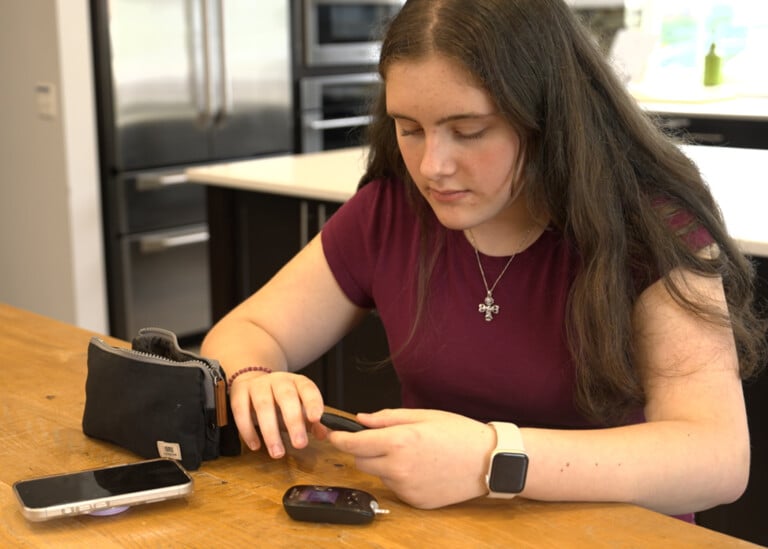
After just a few months, Grace’s continuous glucose monitor showed her blood sugar was improving. Eventually, she no longer needed insulin.
“I hate taking shots, like the insulin was hard to do. So I’m glad I’m off of that now,” Grace said.
Getting the whole family involved
About 8 million American teenagers have prediabetes, meaning their blood sugar is higher than normal but not yet at the level of type 2 diabetes. Mamilly says changes in everyday habits can help reverse prediabetes.
She recommends an hour of physical activity each day, cutting back on sugary drinks and processed foods, and eating more vegetables, whole grains and lean proteins.
The key is to make it a family effort.
“Those interventions or changes are better done as a family,” Mamilly said.
Looking toward the future
Grace still has type 2 diabetes. While the disease can’t be reversed, she has learned how to manage it without insulin.
And she’s feeling good about what’s ahead.
“I’m excited to see what I will be like in the future because I’m doing all these changes,” Grace said.