UK researcher leads team developing simpler test for schizophrenia
By Christian Honce, UK Research Communications
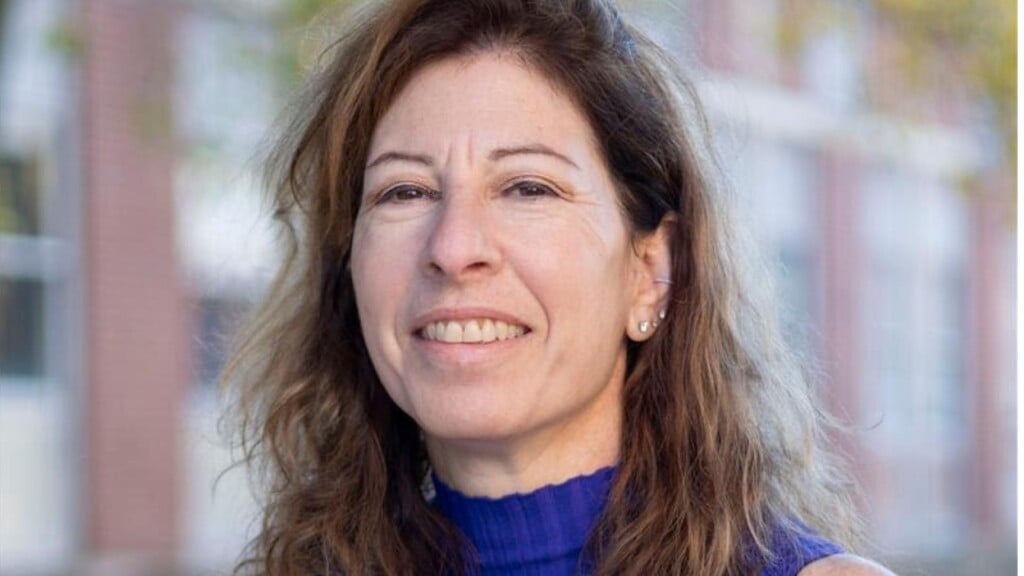
LEXINGTON, Ky. – A University of Kentucky researcher is leading a team in what the university calls a groundbreaking study.
According to UK, the study identifies biological markers for schizophrenia, which could “revolutionize how the disorder is diagnosed and treated in the Commonwealth and beyond.”
UK states researches found two markers, Sp4 mRNA and the HSP60 protein, can be gathered from a 60-second cheek swab to identify patients with schizophrenia, along with predicting symptom severity.
The discovery, according to UK, was published in the journal “Science Advances” and was led by Bonnie L. Firestein, PhD, chair and professor of the UK College of Medicine Department of Pharmacology and Nutritional Sciences.
Firestein conducted research while at Rutgers University, along with collaborators from Rutgers, Michigan State University and the University of Rochester, UK states.
“We’ve come up with an easy-to-collect, non-invasive way to identify biomarkers for potential diagnosis and prognosis of schizophrenia,” Firestein said.
According to UK, “Schizophrenia is notoriously difficult to diagnose because current criteria rely almost entirely on behavioral observations rather than molecular findings. For many families, the diagnostic process is often subjective and slow.”
“Right now, diagnosis is somewhat subjective. There are objective measures, but schizophrenia falls on a disorder spectrum,” Firestein said. “The more research we do in this area, the better we’ll be able to home in on exactly what type of disorder patients have, and also what the underlying mechanism is.”
UK states this is vital “for adolescent males, who are most commonly diagnosed with the disorder.”
Symptoms can include losing interest in hobbies and can be mistaken for depression, according to UK.
The newest test offers a possible way to tell between schizophrenia and other disorders much earlier.
According to UK, psychiatric medications are often prescribed in a “trial-and-error” way that can take “up to a year to refine.”
“You could have schizophrenia, I could have schizophrenia, but the genes that are contributing to your schizophrenia could be different than mine,” Firestein explained. “That means that you should actually be on different medication than I should be.”
In addition, UK states that with identified biomarkers, clinicians can “determine which drugs may be effective for specific patients sooner than waiting for further behavioral symptoms to develop. There is also hope that these tests could eventually predict if a patient’s condition will worsen after a first psychotic episode.”
UK states it is now licensing the technology and ensuring future research and clinical expansion will continue in Lexington.
According to UK, the initial study included two PhD students and two undergraduate researchers.
By replacing invasive blood draws with a cheek swab, UK says research aims to make health care more accessible and effective.
According to UK, research reported in this publication was supported by the National Institute of General Medical Sciences of the National Institutes of Health under Award Number T32GM13541. The content is solely the responsibility of the authors and does not necessarily represent the official views of the National Institutes of Health.