Throwback Thursday: A Thanksgiving Wish Come True, the story of Mitchell Leichhardt
Thanksgiving is a time for family, reflection, and counting our blessings. But for generations of Americans serving their country overseas, it’s also been a time of longing for home. Eighty-two years ago, one young Bowling Green serviceman put that feeling into words. His name was Mitchell Leichhardt. He couldn’t have known it at the time, but he would eventually return home and leave a lasting mark on the very community he missed so dearly. In November 1944, Leichhardt was serving overseas with the U.S. Air Force during World War II.
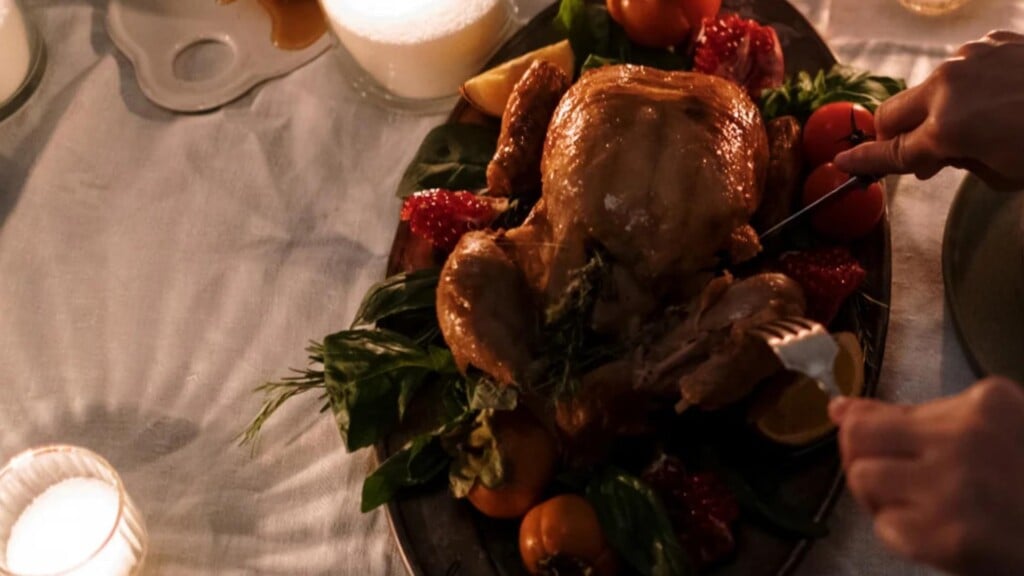
That Thanksgiving, he wrote a letter home to his parents in Bowling Green, describing a holiday meal that sounded surprisingly familiar. There was turkey, cranberry jelly, peas, olives, coffee, ice cream, and even dehydrated potatoes. He also described an Italian vegetable called finocchio, a type of fennel which he said tasted like sassafras. But despite the holiday feast, something important was missing: his family. “I hope it is the last one I’m away from home,” he wrote. Then came the words that perhaps best capture what Thanksgiving means to so many of us: “I thought of the big dinner you always have and wished that I could be there.”
Fortunately, he would eventually make it home. What he accomplished afterward would help shape the landscape of southern Kentucky for generations. Leichhardt had developed an interest in horticulture as a teenager, working at Bowling Green’s Deemer Floral Company when he was just 16-years-old. Following his military service, he returned to Western Kentucky University and eventually established a landscaping business with his friend, Sonny Barr. That business grew into the Leichhardt landscape company, and he became a respected landscape architect and horticulturist.
His work extended beyond Bowling Green. Shortly after World War II, the Glasgow Garden Club enlisted the young veteran to help beautify the entrance to Glasgow Municipal Cemetery. According to the City’s historical records, Leichhardt remained devoted to the project even when the Garden Club couldn’t always afford to pay him.
But perhaps his most recognizable legacy can still be enjoyed in Bowling Green. In the early 1990s, local businessman and philanthropist Jerry Baker began developing what would become the Baker Arboretum along Morgantown Rd. Working alongside Baker, Leichhardt designed a remarkable landscape incorporating winding stone walls, conifers, flowering trees, and an extraordinary collection of Japanese maples. Today, the 115-acre arboretum remains one of southern Kentucky’s most beautiful destinations.
Leichhardt was a protégé of Ruth rabold, the beloved Bowling Green preservationist and beautification advocate whose influence can still be seen throughout our community. In fact, Leichardt incorporated landscaping techniques he learned from Mrs. Rabold into his work at the arboretum. His passion for plants also extended into developing new varieties of daylilies, and his contributions to horticulture were eventually recognized through an endowed professorship at WKU bearing his name.
Mitchell Leichhardt passed away in 2015, but his work continues to bloom across southern Kentucky. That’s what makes his Thanksgiving letter from 1944 so special. Here was a young man, thousands of miles from home, wishing for nothing more than a seat at his family’s Thanksgiving table. He eventually got that wish. Because sometimes, the greatest expression of gratitude isn’t simply being thankful for home. It’s leaving it better than you found it.