Staying safe as severe weather season begins
BOWLING GREEN, Ky. – March is here, and with it comes spring-like weather, warmer temperatures and an increased risk for severe weather.
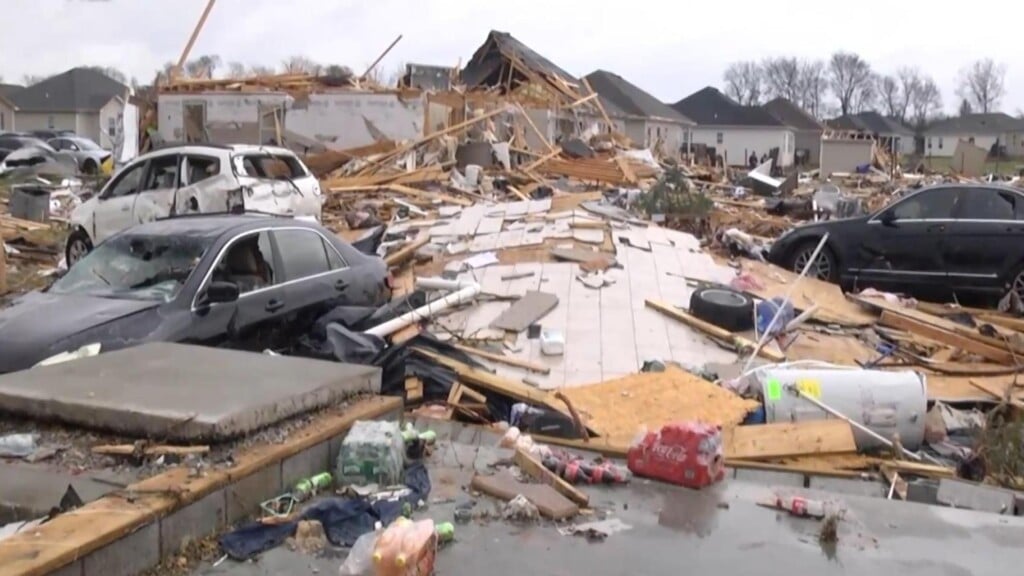
While south-central Kentucky is no stranger to some of nature’s most severe storms, being prepared can mean the difference between survival and tragedy. Since an EF3 tornado destroyed parts of Bowling Green in December 2021, residents have taken severe weather more seriously, as have surrounding counties.
Communities have added tornado shelters, hosted weather radio giveaways and promoted other preparedness efforts. These precautions can greatly increase a person’s chance of survival.
The peak tornado season in Kentucky typically runs from April through June, but tornadoes can occur outside that window. One major outbreak in March 1925 devastated parts of the region.
“The day of the Tri-State tornado that moved out of southeast Missouri through Illinois and into southwestern Indiana also brought deadly tornadoes to Kentucky, including one that moved through portions of Monroe, Allen, Barron and Metcalfe counties,” said Kentucky Mesonet meteorologist Shane Hollinde. “That storm caused extensive damage and took several lives.”
So what should you do before severe storms hit?
Hollinde says the most important step is to have a plan beforehand. That means knowing where to go if you need to take shelter. The safest places include an underground storm shelter, basement or cellar. If those are not available, move to the most interior room of your home away from windows.
Residents should also wear closed-toe shoes and, if possible, bring a helmet in case debris begins flying.
If you live in a mobile home, it is important to evacuate immediately and seek sturdier shelter, as even weaker tornadoes can destroy mobile homes.
The most important thing to remember is that even though many warnings do not result in damaging tornadoes, it only takes one storm to cause devastation.
“Take all tornado warnings seriously,” Hollinde said. “They may not always be issued when there’s a tornado on the ground. If the National Weather Service detects enough rotation in a thunderstorm, what meteorologists call gate-to-gate shear, they may issue a tornado warning for an area. Even if a tornado hasn’t been spotted, conditions can change quickly and a tornado can form in seconds.”
If you are driving and cannot safely turn around, leave your vehicle and move into a ditch along the roadside. Curl into a ball, making yourself as small as possible while covering your head. Do not shelter under an overpass. While it may keep you dry, wind speeds can actually increase under overpasses.
It is also important to have a reliable way to receive warnings. Tornado sirens may not always be heard from inside buildings and are designed primarily to alert people outdoors. Keeping a phone charged or having a weather radio nearby can help ensure you receive alerts from the National Weather Service.
Tornadoes are not the only severe weather threat. Strong winds and heavy rain can also lead to flooding.
Around this time last year, multiple flooding events in Kentucky resulted in several deaths. Authorities warn that even shallow water over a roadway can be dangerous. Floodwaters can push vehicles off the road or even sweep them away.
Drivers are urged to remember: never cross a flooded roadway.