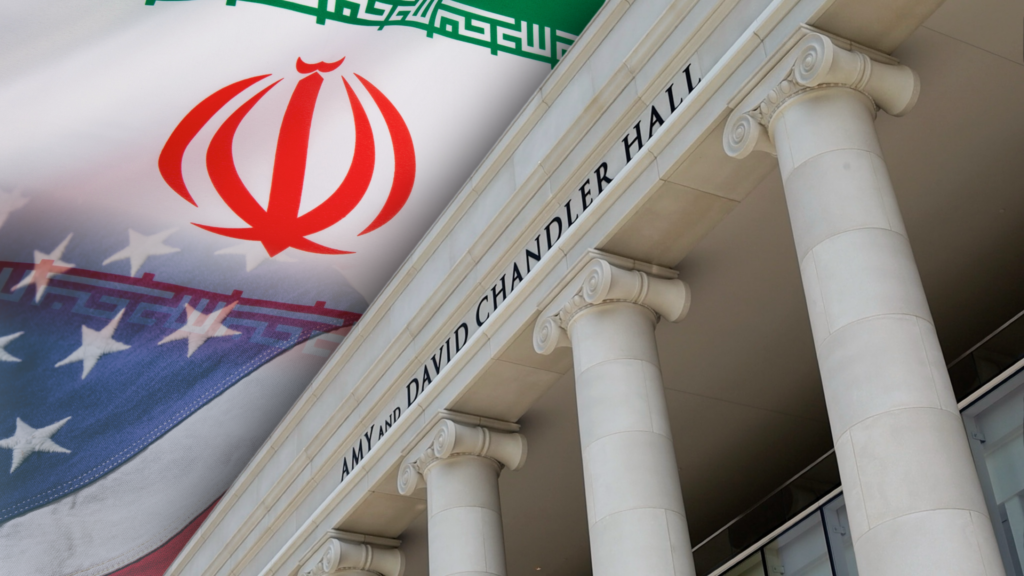
Iran-native WKU economist explains how Iran conflict could affect prices
BOWLING GREEN, Ky. (WNKY) – As tensions involving Iran continue in the Middle East, an Iranian-born economist at Western Kentucky University says the conflict could have ripple effects for consumers in the United States, especially at the gas pump.
WKU Assistant Professor of Economics Golnaz Motie says the U.S. and Iran have had little direct trade for decades because of sanctions.
“There hasn’t been a lot of trade,” Motie said. “Basically, the interaction in terms of trade has been very minimum, almost non-existent.”
Instead, she says the economic impact is tied to oil markets and the region’s importance to global energy supply. One of the most critical areas is the Strait of Hormuz, a narrow shipping route used to move oil around the world.
“Around the one third of the oil exports … 20% of it is actually moving through the Strait of Hormuz,” Motie said.
Because so much oil moves through that corridor, even the threat of disruption can drive prices higher.
“Any time there’s any level of uncertainty associated with the flow of the shipments and the tankers through that, it creates quite a panic in the oil market,” Motie said.
She says that uncertainty is already being reflected in gas prices locally.
“Before the conflict at the end of February the prices here in Kentucky was around $2.69,” Motie said. “Now it’s going up to $3.20.”
If tensions continue, Motie says higher oil prices could eventually affect other areas of the economy, including transportation, shipping and airline costs.
Still, she says some factors could help stabilize prices, including increased U.S. oil production and efforts by countries to release emergency oil reserves to offset potential supply disruptions.