What you need to know before, during, and after your Thanksgiving feast
BOWLING GREEN, Ky. – Thanksgiving is less than a week away, and many are getting ready for those Thanksgiving feasts.
But hospitals all over the country actually report an influx of emergency room visits on Thanksgiving due to the improper preparation and cooking of the foods.
So before you even start, what do you have to keep in mind?
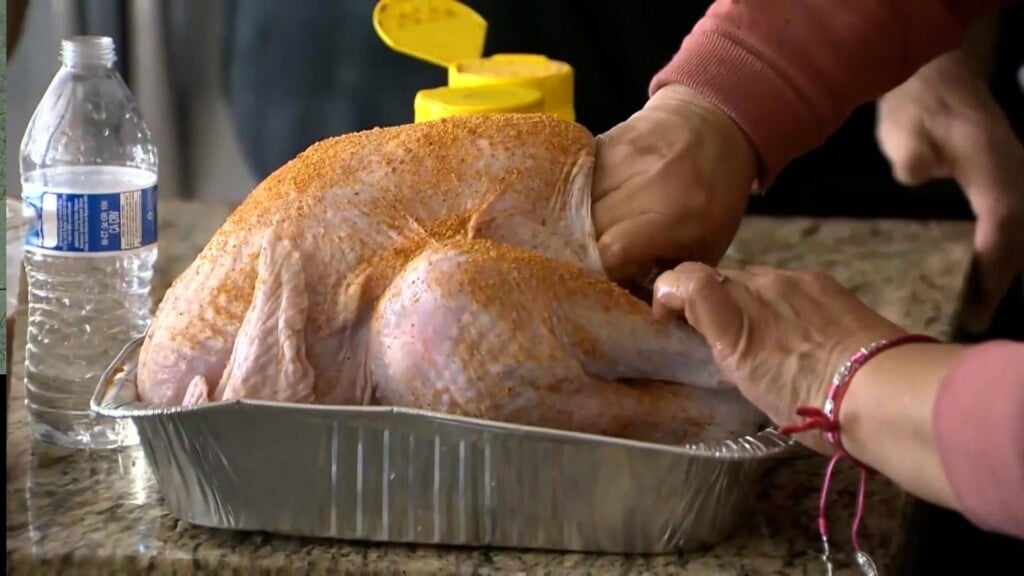
“I think the biggest thing is the turkey to start with, and that’s not the only thing, but certainly if you have a bird that you’ve got frozen and you need to thaw it out, that’s step number one. So there are ways to thaw it out and ways to not thaw it, basically what what is recommended is in the refrigerator and 24 hours for every four to five pounds of turkey” said Sarah Widener, the Health and Wellness Director for Med Center Health.
If you find yourself in a crunch, a water thaw could work, but microwave thaws are not recommended.
It’s also important to remember to never cross contaminate, and to keep utensils and cutting boards that touched raw meat away from other foods.
But now that you found yourself done with your preparation, cooking thoroughly and reaching that required temperature is just as important.
“When you are preparing your bird, you want to you want to cook it all the way to 165 degrees. You want to make sure that you’re using a food thermometer, obviously to check the temperature of the bird” Widener said.
And with it being Thanksgiving, you more than likely going to end up with tons of leftovers. Well, those leftovers have important steps to remember as well.
Foods left out in between the temperatures of 140 and 40 degrees are now on a two hour timer before the bacteria starts to grow.
“That’s when foods will get into what we call the danger zone. So when they drop below that 140 degrees, if they’re supposed to be hot, that’s where bacteria is going to grow. So that’s where we see that foodborne illness” Widener said.
Weidner says that those leftovers in the fridge also have a shelf life of about three days before they go bad, and that any leftover should be thrown out after that day.
If you’re looking to extend that time, though, she says that you can freeze that food, extending its life from just a few days to 4 to 6 months.